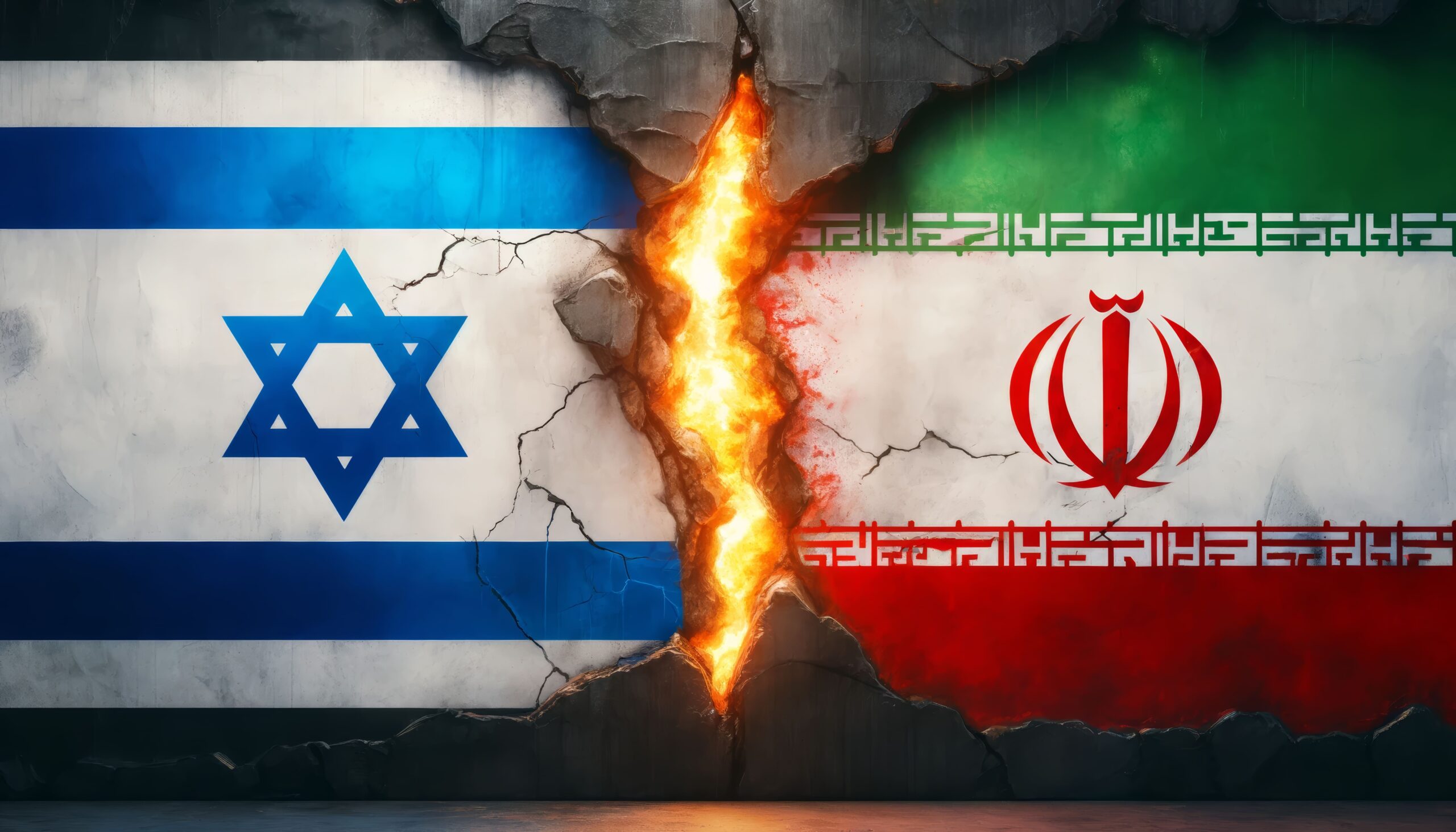
Israel and Iran conflict and it’s implication on India
17/06/2025Background of Israel and Iran relations:
Earlier before the 1979’s, Israel and Iran had good relations and they cooperate in fields like oil trade, military, intelligence, agriculture and tech. However their relationship was always strategic as both saw Arab and Soviet influences as threats. However post 1979 during the islamic revolution led by Ayatollah Khomeini in Iran after shah was overthrown, The new government did not view israel as a country but as a land that captured muslim lands, “ jerusalem’’ and they considered israel a puppet of the west. They claimed that Israel promotes oppression of muslims and is an illegitimate state that shouldn't exist. As a result of this ideology, Iran cut all diplomatic ties with Israel, banned trade and communication and also promised to support Palestine, Israel’s rival. Iran also took some significant actions against israel at the time, like supporting and contributing in the formation of religious groups such as the hezbollah in lebanon and the hamas in palestine and these groups, have carried out many bombings, missiles and guerilla attacks on israel. Moreover, Iran also introduced a “ QUD’’ day which is when they celebrate the significance of Jerusalem in their lives on the last day of Ramadan, with protests against Israel and slogans such as “ death to israel’’. After this change in stance, israel too carried out certain activities in response, such as stuxnet virus where israel allegedly with the us, launched a cyber attack that targeted industrial control systems specifically the SCADA system which was used for Iran’s nuclear strategy, where uranium enrichment was taking place.there have also been multiple unexplained accidental hits on the nuclear sites of iran, research labs etc. Additionally, Israel has also been blamed for killing 5 prominent nuclear scientists of Iran, including Mohsen Fakhrizadeh who was Iran's top nuclear physicist. Iran additionally has also been trying to create a military presence in Syria, which borders Israel possibly causing security issues for israel. So Israel conducted many airstrikes on Syria targeting the Iranian military base, Iranian weapons and missile factories to prevent Iran from building a second front in syria. The major steps that Israel has taken is exposing the nuclear secrets of Iran and pressurising the West to not underestimate the nuclear capacity of Iran, advocating for sanctions that should be increased rather than being lifted.
Recent escalation:
Most recently, in April 2024, Iran launched a major missile and drone attack on Israel and now, in June 2025, Israel responded with airstrikes inside Iran specifically targeting the nuclear sites in iran.
Relations to india:
Talking about the risks that this imposes on India, India maintains a good relationship with both Israel and Iran, and so there has to be a balancing act. With Israel, the defence ties are deep and India also buys weapons, drones and missiles from them, and is also a close partner for cyber tech and intelligence. Whereas Iran is crucial for oil, and access to afghanistan and central Asia via the chabahar port. India is the third largest importer of oil, and any iran-israel conflict has the potential to increase global oil prices. India's fuel import costs might cause inflation and affect the economy. India also has millions of citizens working in the gulf countries like uae, saudi arabia, qatar etc and in such conflicts can jeopardise their safety, needing emergency evacuations to be carried out like the time in the iraq-kuwait war. Indian exports to the region can also be affected. As mentioned before, iran’s chabahar port is a major part in india’s role to bypass pakistan and access afghanistan or central asia and if iran is under attack, the progress on the port gets delayed, implying that india’s strategic plans get delayed, and china and pakistan may get more regional leverage especially through the gwadar port.
What can India do?
Now the question is, what can the Indian government do? Well certain actions are that India can stay neutral and not take sides, while promoting de-escalation and peace and look at working with allies like Russia to calm the tensions. India can also diversify oil imports from countries like Saudi Arabia, and UAE, Russia and USA to avoid any short term immediate shocks. We can also look at accelerating the need for renewable energy rather than being dependent on oil. The government can also develop plans for effective evacuations of Indians in gulf nations while also working with airlines and embassies for any immediate crisis. Importantly, we must also increase protection of israel embassies and jewish tourists in india.
Role of citizens :
As for the citizens, we all must stay informed and avoid being misinformed, which is possible only if we rely on reliable sources. We must also avoid spreading misinformation and fear amongst our people. We all can reject hate speech against any community, speak for unity and advocate for peaceful co-existence with other communities too. Using energy wisely is key, so that when millions reduce their fuel usage, the overall national demand reduces too, emitting strain on the economy which helps India rely less on these oil imports during the crisis. Students, and entrepreneurs can work on renewable energy, cyber security and even foreign policy analysis, while building a variety in supply chains to avoid dependence on vulnerable regions. Whereas schools, colleges and even families can educate children about global events calmy, and teach the significance of how international politics affect local lives.